

The West Coast Trail near SookePoint is one of Canada’s most recognized coastal hiking routes. It extendis approximately 75 kilometres along the rugged Pacific coastline of Vancouver Island. The trail is known for its combination of natural challenge, historical significance, and direct exposure to coastal weather systems.
The development of the trail is closely tied to early maritime history along the region known as the Graveyard of the Pacific. It’s an area where unpredictable weather and rocky shoreline conditions contributed to numerous shipwrecks. Today, the trail functions as a multi-day hiking route that attracts visitors from around the world seeking a direct coastal wilderness experience.
Maritime History and Origins
Originally developed as the Dominion Lifesaving Trail, the route supports coastal rescue operations and improve access along remote sections of shoreline. Its historical purpose remains visible through infrastructure elements that still exist along parts of the coastline.
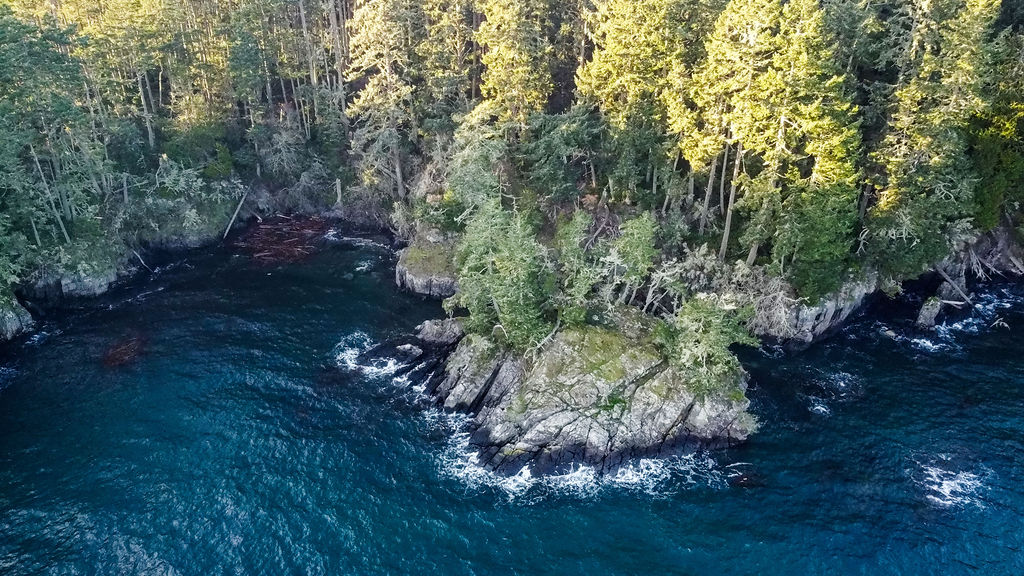
Rugged Coastal Terrain
The trail includes ladders, suspension bridges, forest sections, and long stretches of exposed shoreline. These elements create a physically demanding but visually immersive experience that shifts continuously with terrain and weather conditions.
Direct Pacific Exposure
Hikers experience constant interaction with coastal forces including wind, tide, and changing ocean conditions. This direct exposure is one of the defining characteristics of the trail.
Regional Coastal Continuum
Closer to SookePoint, East Sooke Wilderness Park Southern Vancouver Island’s largest oceanfront wilderness park offers a shorter but similarly immersive coastal hiking experience. Its Coast Trail system reflects many of the same environmental qualities on a smaller scale.